
What are the benefits of an inlay or onlay?
- Custom-made and tailored to fit
- More durable and stable than fillings
- Protect and strengthen your tooth
- Preserve more of your natural healthy tooth

Inlays and onlays can be used to restore areas of decay or damage that are too extensive to be treated with a normal filling. They are a long-lasting solution and often considered a less invasive and more cost-effective alternative to a crown. An inlay is cemented within the cavity and an onlay covers more of the tooth for when the repair needs to fully cover the biting surface.

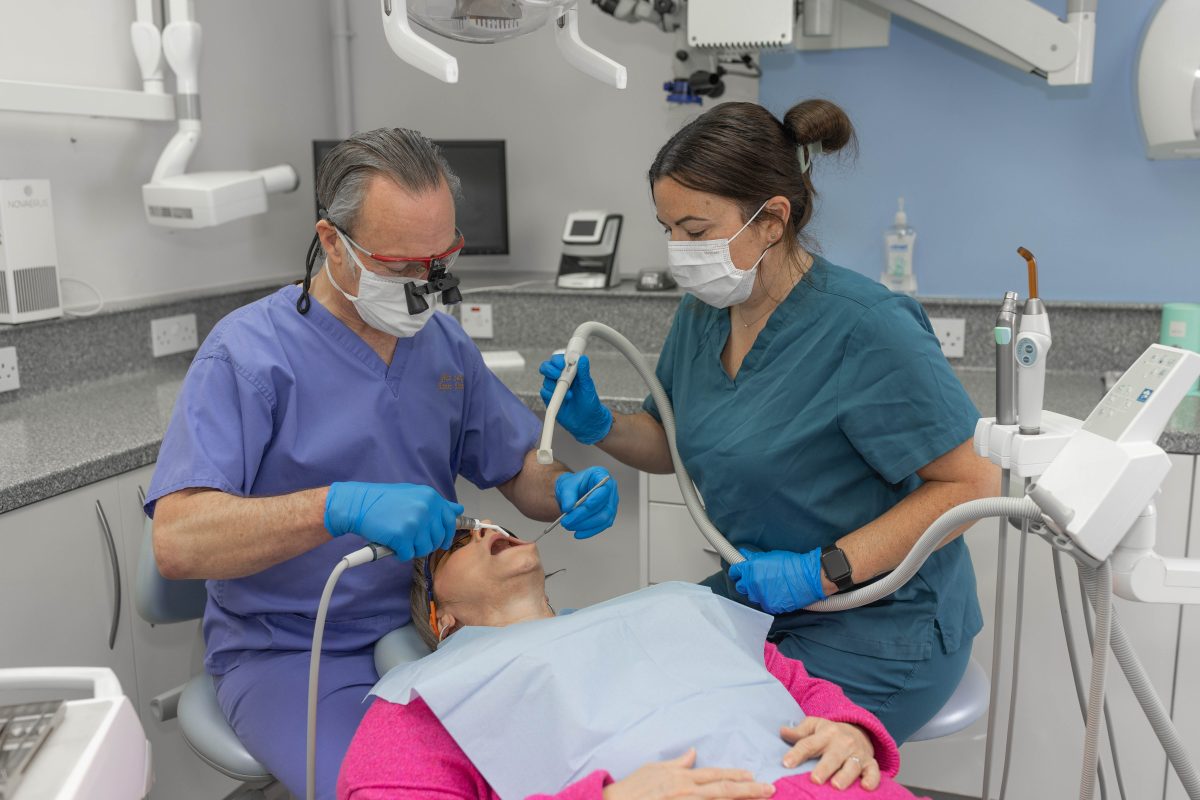
Firstly, we remove any areas of decay or old fillings and carefully clean your tooth. We take impressions, which are used to create your custom-made inlay or onlay in a dental laboratory.
We fit a temporary restoration on your tooth to protect the prepared cavity between your appointments.
When your inlay or onlay is ready, we check it for fit and comfort before fixing it permanently into place using a strong dental adhesive.
Inlays and onlays are made from durable, hardwearing materials. The most common choice is porcelain or composite resin, as these materials can be perfectly matched to your tooth colour for a seamless, natural look. If aesthetics are less of a concern (such as for back teeth), gold can also be used, as it provides an extremely strong and long-lasting restoration.
Inlays and onlays are considered long-term restorations. They are precisely custom-made to fit the damaged tooth, which provides superior protection and allows them to easily withstand strong biting forces. We typically expect an inlay or onlay to last a similar length of time to a dental crown—often 10 to 15 years or more, provided you maintain excellent oral hygiene and attend regular check-ups.
You care for your inlays and onlays in the same way you would care for your natural teeth. You should brush and floss daily and visit the dentist for routine appointments to ensure your restoration is secure and strong. As the inlay or onlay is tailored to fit, they can be easier to keep clean than other restorations.
You should try to avoid hard or sticky foods for the first day or two following the fitting while your inlay or onlay settles. After this brief period, your inlay or onlay is incredibly strong and you can eat as normal. They are designed to withstand normal chewing forces for many years.
We love hearing from you! Whether you need to book an appointment, are a new patient looking for more information, or simply want to ask a question, our friendly team is always happy to help. Get in touch with us today!
Call us on: 01246 232 595
Find us at: 44 Clarence Rd, Chesterfield S40 1LQ